Mold After Water Damage: What to Do First
Water damage and mold often go hand in hand. Whether the cause is a burst pipe, roof leak, appliance failure, or flooding, excess moisture creates the perfect environment for mold growth. For Anaheim homeowners, taking quick action after water damage can significantly reduce repair costs and prevent more serious problems later.
Why Mold Develops After Water Damage
Mold spores naturally exist in indoor and outdoor environments. When moisture is introduced, these spores can begin growing rapidly on building materials and household surfaces. Common areas affected include:
- Drywall
- Flooring and carpet
- Insulation
- Wood framing
- Ceiling materials
In many cases, mold growth begins within 24 to 48 hours of water exposure.
Don’t wait for mold to appear. Our Anaheim team responds quickly to assess and prevent contamination.
Step 1: Stop the Water Source
Before addressing mold concerns, the source of moisture must be identified and corrected. This may include:
- Repairing plumbing leaks
- Fixing roof damage
- Addressing appliance failures
- Resolving drainage issues
Without fixing the source, mold will likely return even after successful remediation.
Step 2: Remove Excess Water
Standing water should be removed as quickly as possible. Professional water extraction equipment can help prevent moisture from spreading into surrounding walls, flooring, and structural materials. The longer water sits, the deeper it penetrates — and the wider the eventual mold footprint becomes.
Step 3: Dry the Property Thoroughly
Drying is one of the most important stages of restoration. Professionals often use:
- Industrial air movers
- Dehumidifiers
- Moisture meters
- Thermal imaging technology
Proper drying reduces the risk of future mold growth by bringing structural moisture levels below the threshold where mold can establish.
Step 4: Inspect for Mold
Even when surfaces appear dry, hidden moisture may remain behind walls or under flooring. A professional mold inspection can identify early signs of contamination before the problem spreads. Thermal imaging and calibrated moisture meters allow inspectors to detect moisture in wall cavities and subfloor areas without opening walls unnecessarily.
Step 5: Schedule Remediation if Necessary
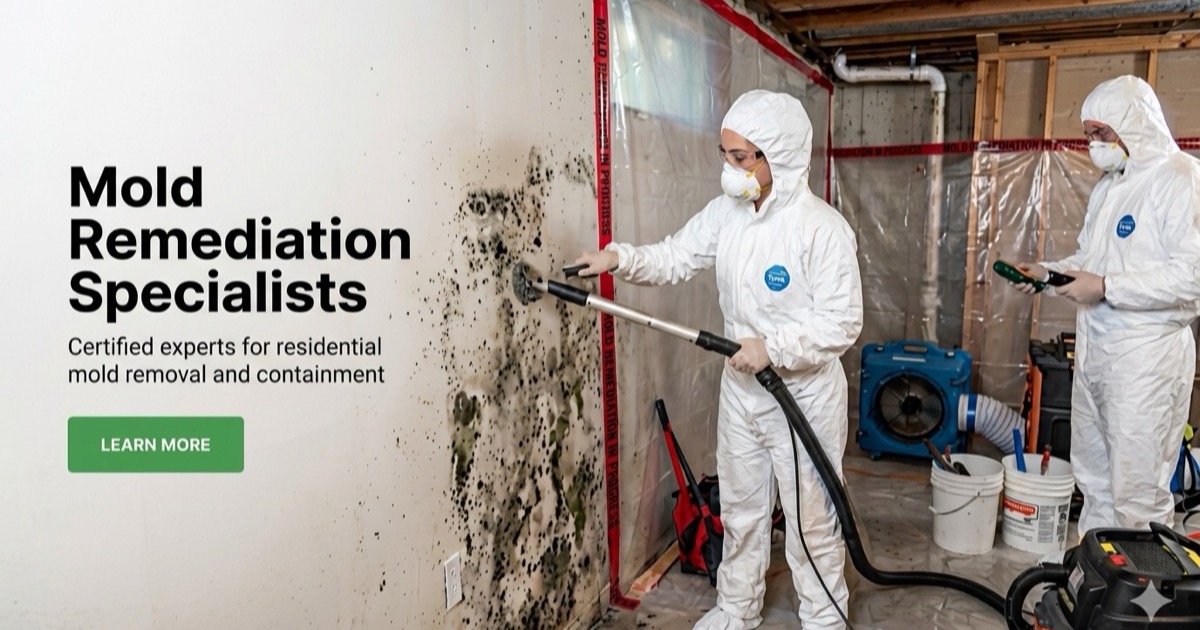
If mold is discovered, professional remediation can safely remove contamination and restore affected areas. Attempting to clean mold without proper containment and equipment can disturb spores and spread contamination to unaffected areas of the property.
The first few days are critical. Acting quickly after water damage can minimize property damage, reduce remediation costs, and help prevent long-term mold problems. When in doubt, a professional inspection provides peace of mind and helps ensure your home is fully restored.